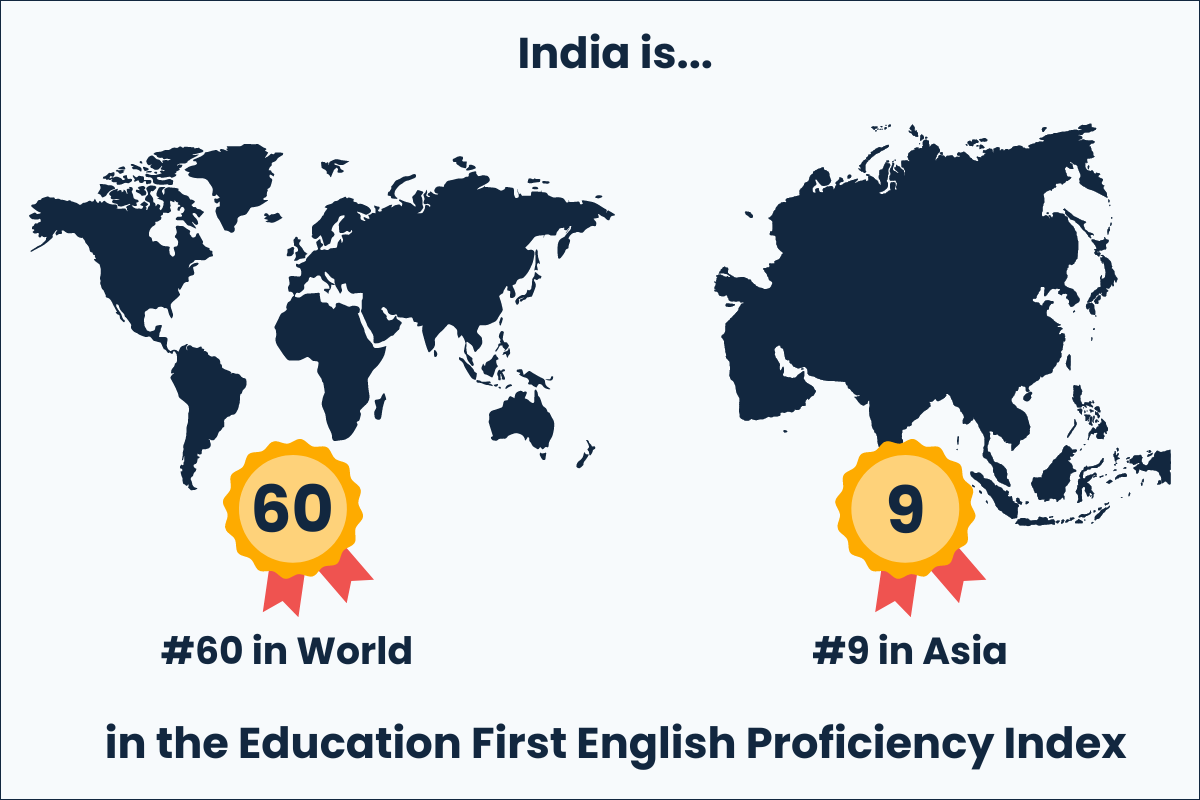
Statistics & Facts
How Many People in India Speak English?
India’s total English-speaking population is second only to that of the U.S., where a little over 300 million people speak the language.
How English developed from a West German language that was brought to Britain in the mid-5th to 7th centuries AD by Anglo-Saxon migrants to the most widely spoken language in the world today.
This website is a complete resource on the English language which can be used for reference but can also be read as a story in chapters.
Start reading






There are many books and many websites describing the journey of the English language from its ancient origins to today’s dynamic and powerful communication tool (you can find some of them on my Sources and Links page). Some follow it in minute and excruciating technical detail, some are brief one-page summaries, and you may be wondering: do we really need another?
Well, perhaps not, but I wanted to create one anyway for my own enjoyment and edification. And this one is neither too long and intimidating nor is it too skimpy and “lite”, but, as Goldilocks might have said, just right. Not too much in the way of “fricatives” and “palatizations” and “labialized velars” (this does not pretend to be a work of serious philology), but plenty of rollicking historical detail, action and intrigue.
Whatever your thoughts on the matter, English, with all its vagaries and annoying inconsistencies, remains the single most important and influential language in today’s world. Throughout history, it has repeatedly found itself in the right place at the right time: English-speaking Britain was the leading colonial nation in the 17th and 18th Century, as well as the leader of the Industrial Revolution in the 18th and 18th Century; in the late 19th and 20th Century, English-speaking America was the leading economic power, and was also at the forefront of the electronic and digital revolution of the late 20th Century.
But, it has also proved itself the most flexible and resilient of languages, remarkable for its ability to adopt and absorb vocabulary from other cultures. It has survived incursions by invading armies, outfaced potential extinction on more than one occasion, and navigated the changing cultural zeitgeist, growing ever stronger in the process. Its continued vitality is evidenced by the number and diversity of its worldwide variations today.
The main part of this website, the History, can be read as a kind of story, in chapters, following the development of the English language from its Indo-European origins, through Old English and Middle English to Early Modern English and Late Modern English, before a brief look at English Today. But there is also section on Language Issues (including How New Words are Created, Language and Geography and English as a Global Language), a Timeline of important dates in the development of English, a Glossary of some of the technical and historical terms used, and a list of Sources and Links.
I would like to acknowledge at this point my debt to the various websites, books and television series which I have raided, adapted and combined unapologetically, many of which are listed in the Sources and Links page. This is a personal project not a scholarly work, and I have not provided unimpeachable references to original sources for every point I make, although I have given specific references and credits for all images used. Please feel free to contact me if you have any issues about the content or attributions (or lack thereof) or to point out any absolute howlers I may have made.
Incidentally, in case you were wondering, the spelling throughout this website is largely the Canadian English of my adopted country Canada (which itself is a hybrid of British and American spelling), although the words introduced - most of which arrived before Canada was Canada - are generally in British English. Contemporary English spelling is a whole new subject requiring a whole new website.
The history of the English language is a complex tapestry of gradual developments and short, sharp shocks, of isolation and mutual influences, of borrowings and obsolescences.
India’s total English-speaking population is second only to that of the U.S., where a little over 300 million people speak the language.
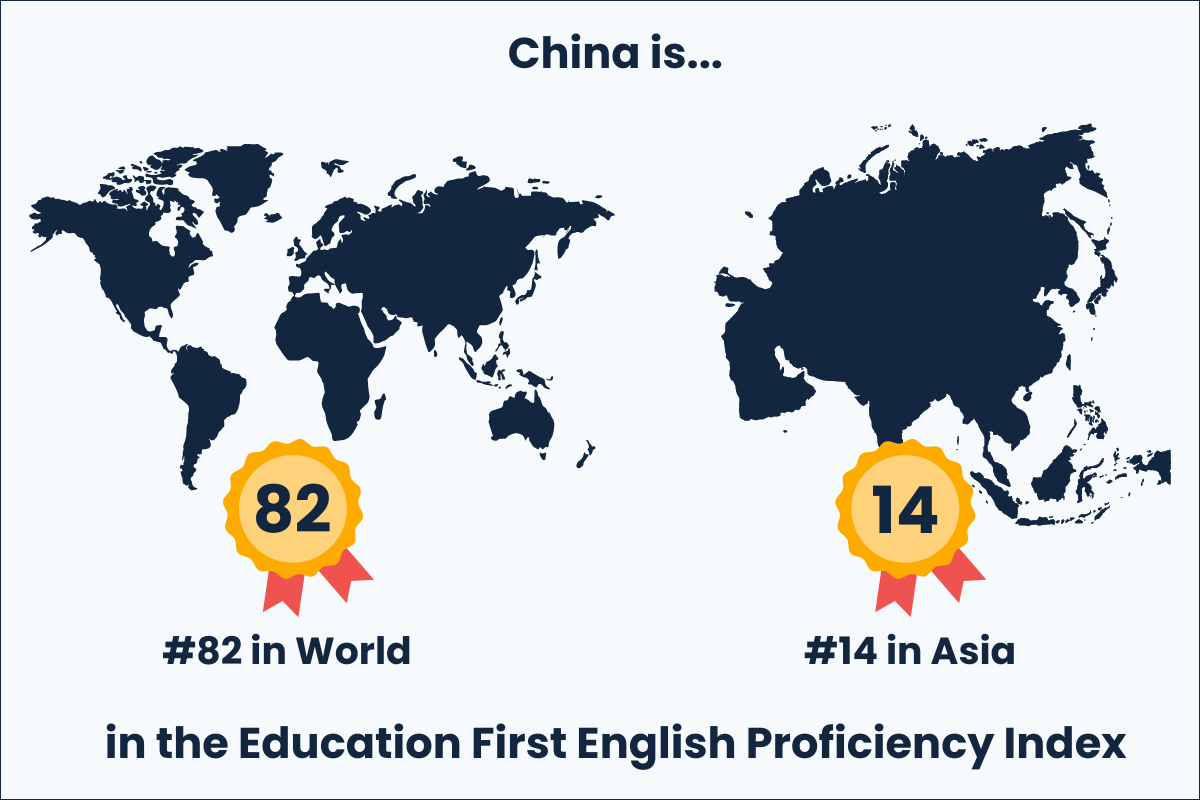
When it comes to English as a second language, China has the most English learners in the world.
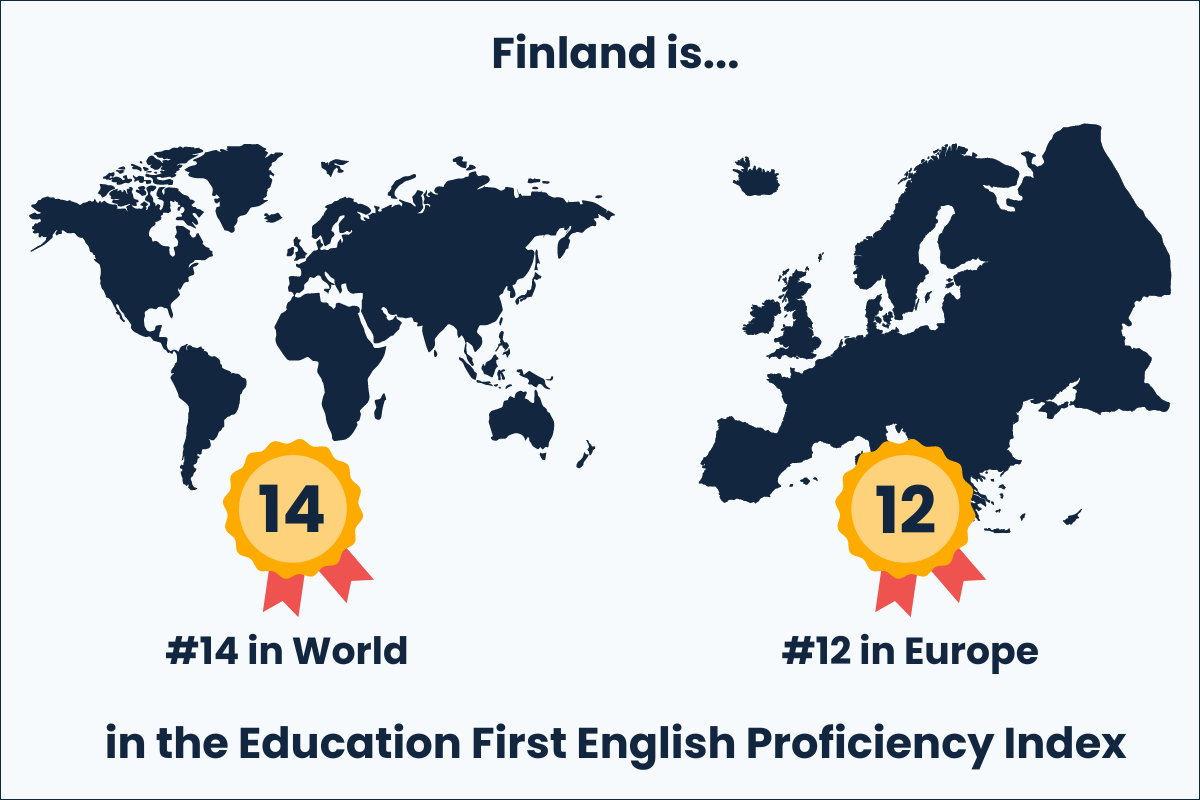
The 2023 English Proficiency Index (EPI) also ranks Finland #12 in Europe, and the country has high to very high proficiency on average.
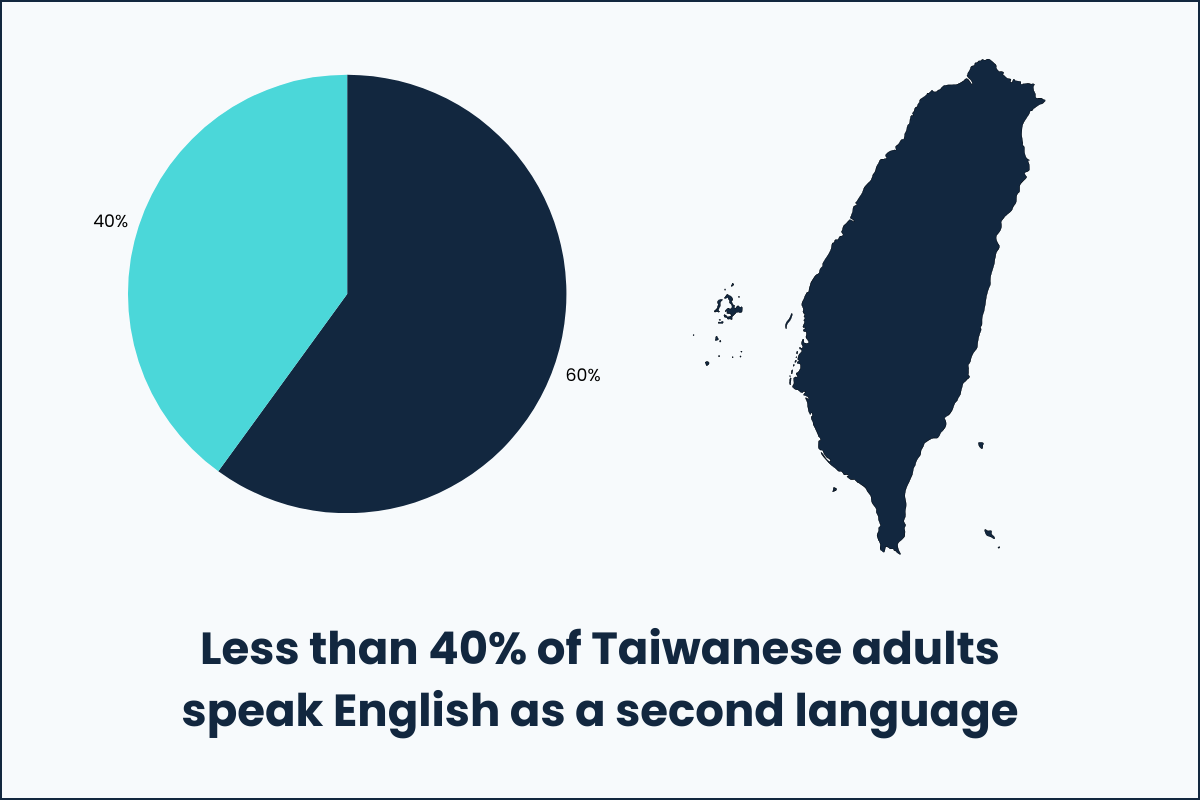
Taiwan is a small island nation with a complex linguistic landscape. It’s estimated that over 80% of Taiwan’s population speaks at least two…
If you didn’t know already, “pushing daisies” is not just the name of a hit TV show! In this article, we will unpack what it means, and how…
If you hear it said that someone’s got their “head in the clouds” they are not referring to the digital cloud where you save your documents!…
In the UK, you often hear the phrase “right as rain” when people aren’t talking about the weather, even though UK citizens are not fond of r…
Ever wondered what is meant by the phrase “out of my league”? This article is going to tell you. We will also cover the origins and usage of…